Define the load and the aisle
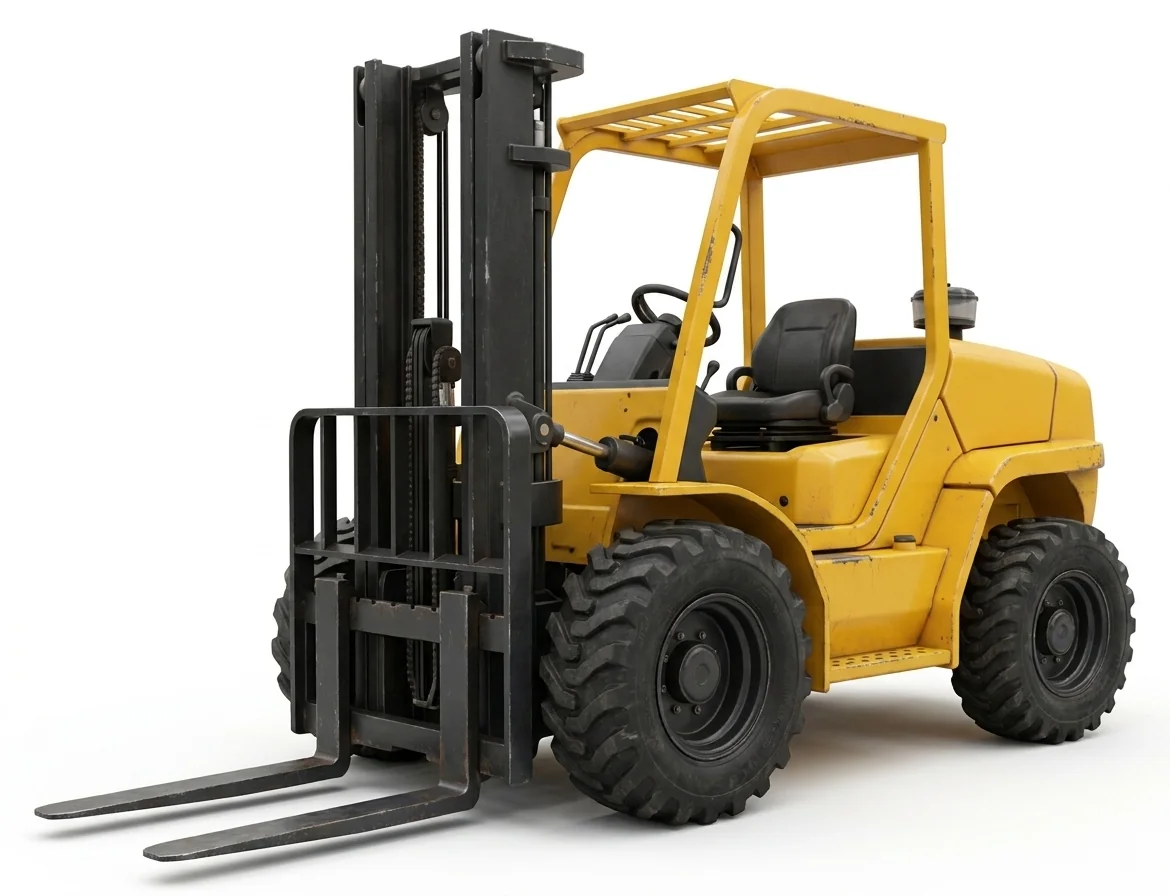
Start with the heaviest pallet or container you expect and the narrowest aisle it must pass. Capacity ratings change with lift height and load center. In high-bay interiors, turning radius and right-angle stacking dimensions set practical limits.
Surfaces and transitions common in Springfield
Approaches can include dock plates, polished slab, and patched asphalt outside. Outdoor spots may be sloped or soft along the Ozark terrain. Cushion-tire electrics suit smooth interior slabs and tight aisles. Pneumatic-tire units handle rougher lots and longer outdoor travel. Power type matters if the route includes climate-controlled or low-ventilation areas.
Specs to confirm
- Rated capacity at typical lift heights.
- Mast type and collapsed height for doorways and mezzanines.
- Aisle width and turning radius for racking patterns.
- Tire type for slab versus mixed-surface travel.
- Power source based on indoor air quality and duty cycles.
Where forklifts fit in Springfield workflows
- Cross-dock moves and staging near loading areas.
- Pallet handling that links outdoor yards to interior bays.
- Support for maintenance crews moving parts and tools inside large facilities.
For elevated person access, compare with /vertical-mast-lift-rental/ for tight interiors or /electric-scissor-lift-rental/ for straight-up platform work. Material placement at height is covered under /telehandler-rental/.
Planning checkpoints before you call
- Measure the narrowest aisle and highest racking beam you’ll service.
- Note floor type transitions, slopes, and dock conditions.
- Identify any emissions constraints along the route.
Actual conditions, the selected unit’s instructions, and site procedures govern material handling work.
Related categories
- Tight-interior person lift: /vertical-mast-lift-rental/
- Straight-up platform work: /electric-scissor-lift-rental/
- Material placement at height: /telehandler-rental/