Start with the path to the work
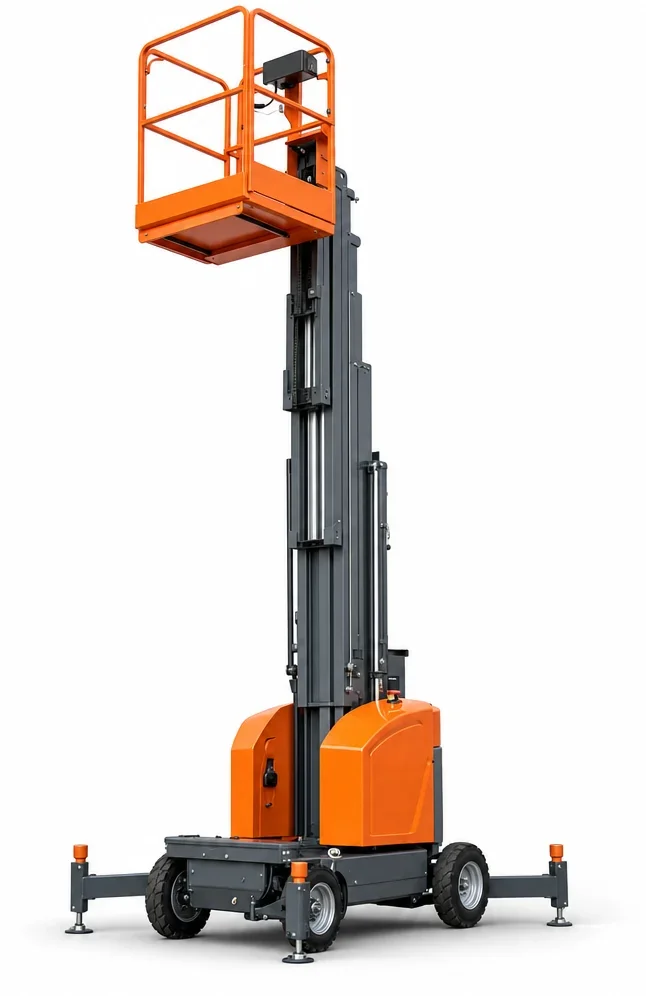
Measure doorways, turns, and any ramps from staging to the task. Vertical mast lifts excel when the machine must pass through standard doors, ride elevators, or navigate between racking without disturbing operations. Non-marking tires and electric power align with climate-controlled and subsurface environments common in the area.
Local context that shapes selection
The regional climate pushes many projects to alternate between indoor and brief outdoor moves. Plan for floor protection on polished slabs and consider approach grades at loading areas that connect to interior corridors. Where the work sits straight up—lighting, sensors, low- to mid-bay utilities—a compact mast lift fits without the aisle impact of larger platforms.
Key specifications to verify
- Platform height versus task height, with allowance for tool reach.
- Machine width for aisles and doorways; turning radius for tight corners.
- Floor loading and tire type for sensitive slabs.
- Platform capacity for one person plus tools typical of maintenance tasks.
Typical Springfield use cases
- Overhead maintenance in narrow service corridors.
- Spot work under mezzanines where ceiling interference limits boom articulation.
- Inventory and signage updates in compact retail or warehouse zones.
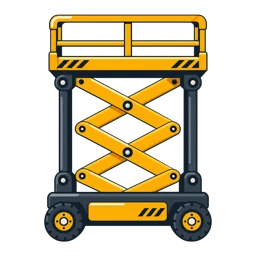
When the task requires a larger platform and straight-up reach, compare with /electric-scissor-lift-rental/. For up-and-over access around obstacles, see /articulating-boom-lift-rental/.
Planning checkpoints before you call
- Confirm the tightest doorway or pinch point along the route.
- Note floor type and any ramps between loading and the work zone.
- Define the heaviest tool load expected on the platform.
Actual conditions, the selected unit’s instructions, and site procedures govern elevated work.
Related categories
- Electric scissor platforms: /electric-scissor-lift-rental/
- Up-and-over access: /articulating-boom-lift-rental/