Start with placement geometry
- Can the container sit flush to a dock or must it land on a yard pad?
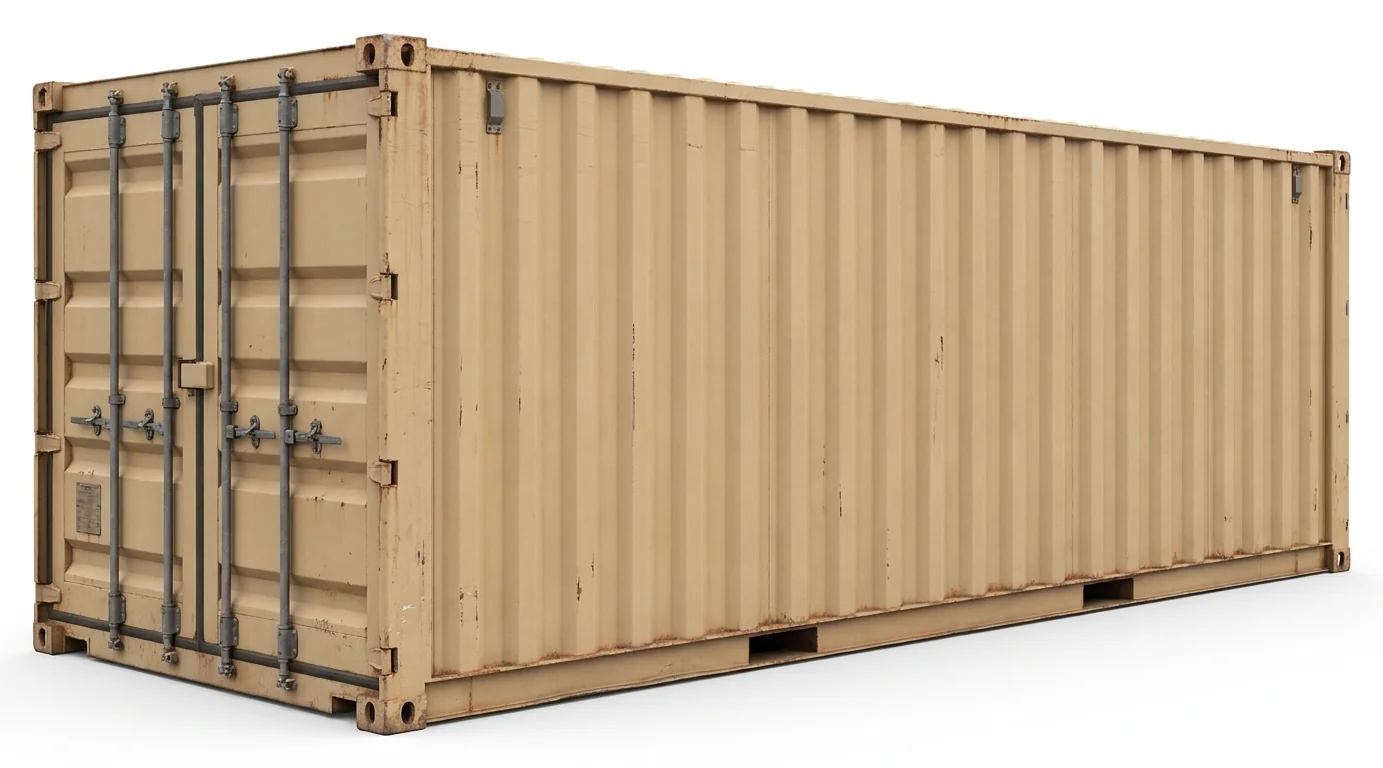
- Door swing vs. traffic: align door orientation with forklift or pallet‑jack paths.
- Overhead limits: check dock canopies, power lines, and tree limbs on approach and at the set point.
Local terrain and surface notes
- Ozark slopes: choose level, compacted pads to control door racking. Cross‑slope can make doors bind and complicate loading.
- Mixed surfaces: many sites transition from slab to gravel. Verify the delivery truck can back straight and that the pad supports the container’s point loads.
Moisture and temperature swings
The regional climate brings humidity and seasonal temperature changes. For sensitive contents, consider containers with sealed doors, intact gaskets, and provisions for airflow or desiccant placement. Identify whether the unit sits inside a warehouse, at grade outdoors, or near underground entries where temperature differentials can cause condensation.
Size and access planning
- 10–40 ft lengths affect turning and set space. Measure the clear rectangle, including swing room for the delivery truck bed.
- Floor height vs. equipment: note if loading is by hand, pallet jack, or forklift. Dock plates and ramps require flat, stable approaches.
- Security zones: map lighting and sightlines. If adding temporary lighting or power, coordinate with /generators-light-towers-rental/.
Interface with lift equipment
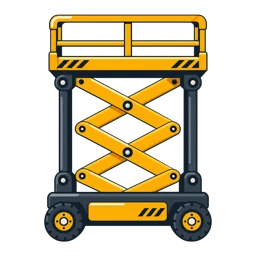
- Interior picks: narrow aisles lean toward /electric-scissor-lift-rental/ or /vertical-mast-lift-rental/ for overhead labeling and racking adjustments tied to container staging.
- Yard handling: uneven approaches may involve /forklift-rental/ or /telehandler-rental/ for moving palletized goods between containers and laydown areas.
What to document before scheduling
- Exact drop location and pad description
- Approach route widths, grades, and overhead clearances
- Door orientation needed at final set point
- Contents sensitivity to humidity and temperature
Actual ground conditions and site procedures govern handling. Confirm clearances and stability before coordinating adjacent elevated work or traffic lanes.